Process in Practice

Adaptive Process

Prescriptive advice is replaced with frameworks for ongoing adaptation. Executives are supported in building resilient processes, not chasing certainty.

Evolving Tools

Institutional mandates evolve; so must analytical tools. A bias for context and critical review underpins all recommendations.


Planning meeting with executives
Executives making decisions at whiteboard

Collaborative Dialogue

Dialogue is prioritized over instruction. Each engagement is structured as a collaborative effort to refine questions and challenge assumptions.

Visible Decision-Making

Transparency is not an afterthought but a core value. All decisions are made visible, subject to review and revision as needs change.
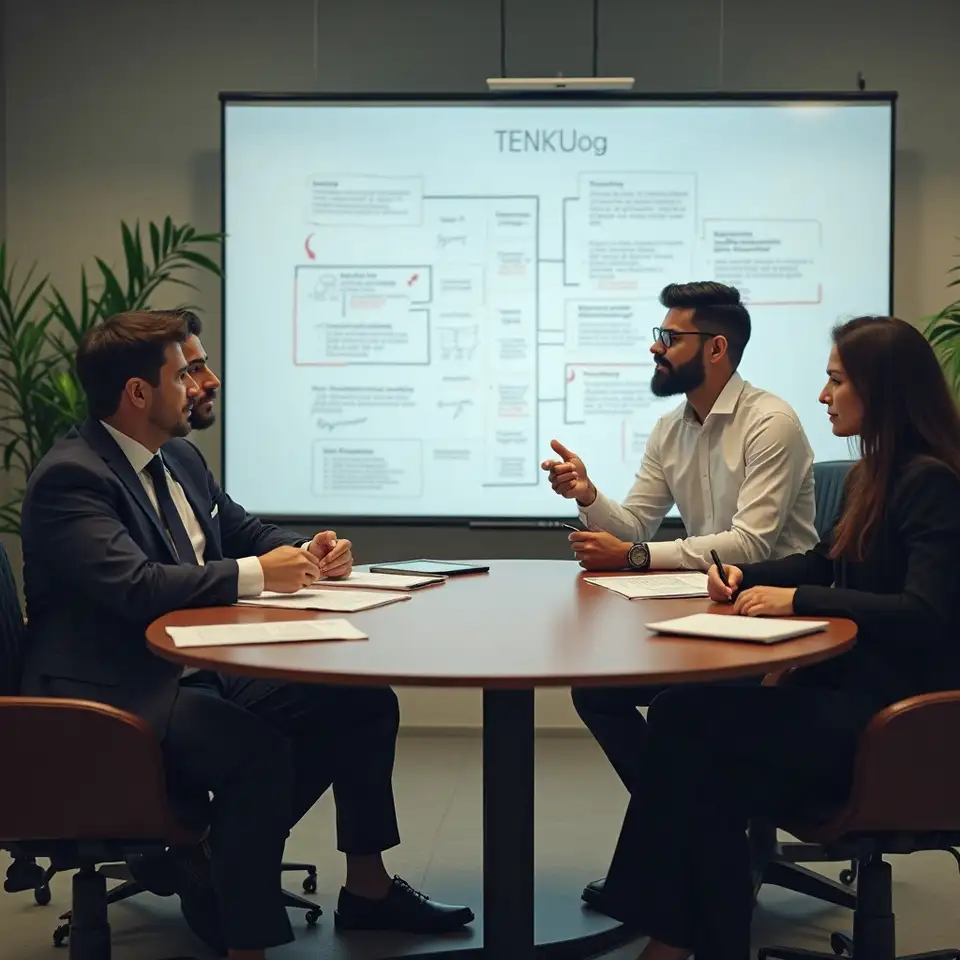

Framework Adaptation and Review

The expectation of clear answers gives way to a process in which questions are valued as highly as conclusions. Each session is designed to foster inquiry and equip executives with adaptable tools.

Key concepts in adaptive institutional frameworks and dialogue

  • Tradition vs. Innovation in Practice: Participants dissect the practical limits of inherited traditions, distinguishing which methods serve today’s objectives and which must be revised or discarded.
  • Continuous Institutional Review: Ongoing review mechanisms ensure that decisions are subject to scrutiny as circumstances evolve. This process privileges adaptability over static rules.
  • Mandate-Driven Data Analysis: Data is reviewed through the lens of the institution’s specific mandate, with each insight contextualized and debated within the executive team.
  • Fostering Analytical Cultures: Executives are supported in cultivating internal cultures that reward inquiry and challenge, ensuring institutional resilience.

Aim of the Advisory Process

Frameworks must remain adaptive to the demands of institutional clients. The goal is to cultivate critical analysis rather than adherence to fixed models, equipping teams to confront change with rigor.

Defining Features of the Adaptive Model

Distinct from most advisory models, this process eschews both product endorsement and rigid recommendations, providing instead a platform for ongoing analytical refinement.

Why Adaptability Outpaces Prescription

Institutions rarely benefit from rigid adherence to a single model. Instead, adaptability and ongoing review form the backbone of resilient decision-making. Here, the analytical process is designed to encourage skepticism of inherited wisdom and to promote inquiry as a daily discipline. Clients are never handed prescriptive advice. Instead, they are equipped with frameworks and methods tailored to their evolving mandates, with transparency and open debate as constant priorities. This approach supports executive teams in navigating change, interrogating assumptions, and building a culture of continuous improvement without resorting to product endorsement or outcome guarantees.
Team planning strategy at a whiteboard

How frameworks evolve within institutional advisory processes

Frameworks in institutional planning evolve as a function of both changing markets and executive mandates. The organization’s model is built on a foundation of transparent review and disciplined questioning. Rather than offering pre-set solutions, the focus remains on guiding clients through iterative evaluation, clarifying assumptions, and refining objectives over time. The advisory process avoids the trappings of certainty, instead supporting executives as they develop the analytical skills required for resilient decision-making in a fluctuating environment.

Each analytical session reinforces the view that context outweighs formula. Decisions are shaped by the interplay of tradition and innovation, always with a bias for transparency.

Institutional review is a process, not an endpoint. Dialogue is ongoing, with adaptation prioritized over premature conclusions or prescriptive recommendations.

Core Features of Adaptive Institutional Frameworks

Frameworks that remain static fail to serve the dynamic nature of institutional mandates. The adaptive approach prioritizes ongoing review, transparent analysis, and collaborative inquiry, producing resilient processes suited to evolving realities.

Framework Revision as Ongoing Practice

Frameworks are revised in direct response to changing objectives or external pressures. The emphasis is on discipline and transparency throughout the process.

Adaptation

Transparent Analytical Methods

Analytical methods are open to scrutiny and modification, never considered fixed. The process encourages executive teams to question both assumptions and recommendations.
Transparency

Collaborative Inquiry and Review

Dialogue is central. All voices are invited to challenge and clarify, ensuring the process remains collaborative rather than hierarchical.

Dialogue

No Product Recommendations

No specific products or solutions are offered. Instead, clients gain frameworks for internal analysis and decision-making, free from sales pressure.

Independence

Gallery of Adaptive Practice

Snapshots from adaptive advisory sessions and evolving institutional frameworks

Cookie Settings

Manage your cookie preferences easily

We use cookies to enhance your browsing and analyze site usage. You can choose which categories to allow or decline below.

Essential cookies

Essential cookies are always active for security.

Analytics cookies

Analytics help us refine and improve our services.

Marketing cookies

Marketing cookies personalize your online experience.